We’re pleased to announce that Zoo Park: Run Your Own Animal Sanctuary is now released for both PC and MAC! It’s been a great thrill developing the game and we hope that you enjoy how the game has turned out.
A YouTuber known as BestInSlot has uploaded a let’s play video showcasing many of the elements included in Zoo Park. So if you've got twenty five minutes to spare and want to see a very detailed video check out the YouTube link below:
As we approach the final week of release for Zoo park: Run
Your Own Animal Sanctuary, it’s time to meet the Coyote! Traditionally in tales
and traditions of native Americans it is usually considered as a clever beast.
One such example is the coyote’s resourcefulness to adapt to the changing
landscape of America.
Location: America
Diet: Omnivore
Lifespan: Up to 14 years in the wild
Interesting fact: The coyotes are actually very good swimmers, they have
actually colonized the Elizabeth islands of Massachusetts thanks to this
incredible skill.
Here’s a video of coyote pups emerging from a den:
Listen bub! It’s time to introduce you to the Wolverine!
Many people will probably remember the name Wolverine as one of the famous
members of the X men . I need to brush up on my comics knowledge but I remember
Wolverine not being the most tallest character in the animated TV series, maybe because he
was slouching, but that may have been why Logan was named Wolverine. The animal
Wolverine is the size of a small bear, but it’s incredibly powerful and of
course, they are solitary creatures so they do match the characteristics of a
certain member of the X men.
Location: North America
Diet:Omnivore
Lifespan: up to 12 years in the wild
Interesting fact: A wolverine may travel 15 miles in a single day to search for
food.
We found a video that shows a wolverine in super hero mode
as it pulls someone out from an avalanche.
The TV show South park aired an episode called “When an
elephant makes love to a pig” relatively early during the cartoons
lifespan. If this were to happen or we
cross bred the two animals an animal looking similar to the tapir could come to
mind! It’s one of the most bizarre
mammals on the planet in terms of look as it can also sport a selection of
different coats ranging from plan, black and white to even sporting cheetah
style patterns.
Location: South America
Diet: Hebivore
Lifespan: up to 30 years in the wild.
Interesting fact: Despite their body looking quite densely built they are
excellent swimmers and can even dive to feed on aquatic plants.
As for a video to share, we have found this awesome (and quite cheesy) video
titled “What in the wirld is a Tapir?” Check it out for more info on the tapir!
We’re going down under for today’s Animal A Day feature! The
Koala is one of Australia’s mascots, because of their teddy bear like features,
they are sometimes mistaken to have some relatives in the bear family, in fact,
it’s a Marsupial, a pouched mammal which will catty their young in a pouch very
similar to a kangaroo.
Location: Australia
Diet: Herbivore
Lifespan: 20 years in the wild
Interesting fact: A koalas main food source, Eucalyptus leads are poisonous,
but due to the koalas special digestive system they can eat eucalyptus leaves
without any severe side effects.
With our game featuring a rescue and rehabilitation aspect,
we enjoyed this short video for a television series called Koala hospital.
Zoo Park is just over two weeks until launch. Today’s animal
A Day feature introduces you to the Reindeer, those creatures that pull Santa’s/
st Nick’s/ father Christmas’s etc sleigh.
Location: Cold Climate
Diet: Hebivore
Lifespan: 12 – 15 years in the wild
Interesting fact: Depending on the season, the reindeers hooves will adapt to
change with the terrain. During the summer periods their footpads become
sponge-like but in the windter they shrink and tighten to prevent the reindeer
from slipping on Ice.
Here’s a video showing off the reindeer whilst telling you
how they became the legendary creatures that pull santa’s sleigh
The Hippopotamus was named by the greeks as the “river horse”
because they love water, they can spend up to 16 hours a day in rivers and
lakes to keep themselves cool in the African sun. If I spent that long in
water, there’s a chance the wrinkles would make me look like some sort of giant
raison
Location: Africa
Diet: Herbivore
Lifespan: Up to 40 years in the wild
Interesting fact: When hippos bask on the shoreline they can often be seen to
leak an oily red substance, this started a myth at how hippos sweat blood. In fact
the liquid is a skin moistener and sunblock which can also provide protection
from germs.
Here’s an extraordinary video of Karl Pilkington visiting a
family that have a hippo as a pet. We really would not recommend this, but we
do love Karl pilkington’s reaction!
The raccoon is one of those instantly distinguishable
animals. Known mainly for its bandit style mask markings, there’s no wonder why
a video game was made called sly raccoon which told the tale of a Raccoon thief!
Location: America
Diet: Omnivore
Lifespan: 2 to 3 years in the wild
Interesting fact: Considering their relatively small lifespan, raccoon in the
northern parts of America will gorge themselves in spring and summer and then
spend a great deal of the winter asleep in a den.
To celebrate the raccoon interesting markings we found a
video of a thieving raccoon in action who must be beginning work on decorating
his den.
Can you imagine hopping to get anywhere? Probably not, but
perhaps that is a charity event in the making! The red kangaroo not only hops
as its main method of traveling, but it will reach speeds of over 35 miles per
hour and can jump 25 feet in a single leap. Despite becoming an efficient
hopper myself (I once won the bronze trophy in my primary schools sack race) I
am always in awe whenever I see a kangaroo!
Location: Australia
Diet: Herbivore
Lifespan: Up to 23 years
Interesting fact: To get a bit more oomph to their punch, they can lean back on
their tail to box.
Now for another David Attenborough documentary showing boxing kangaroos!
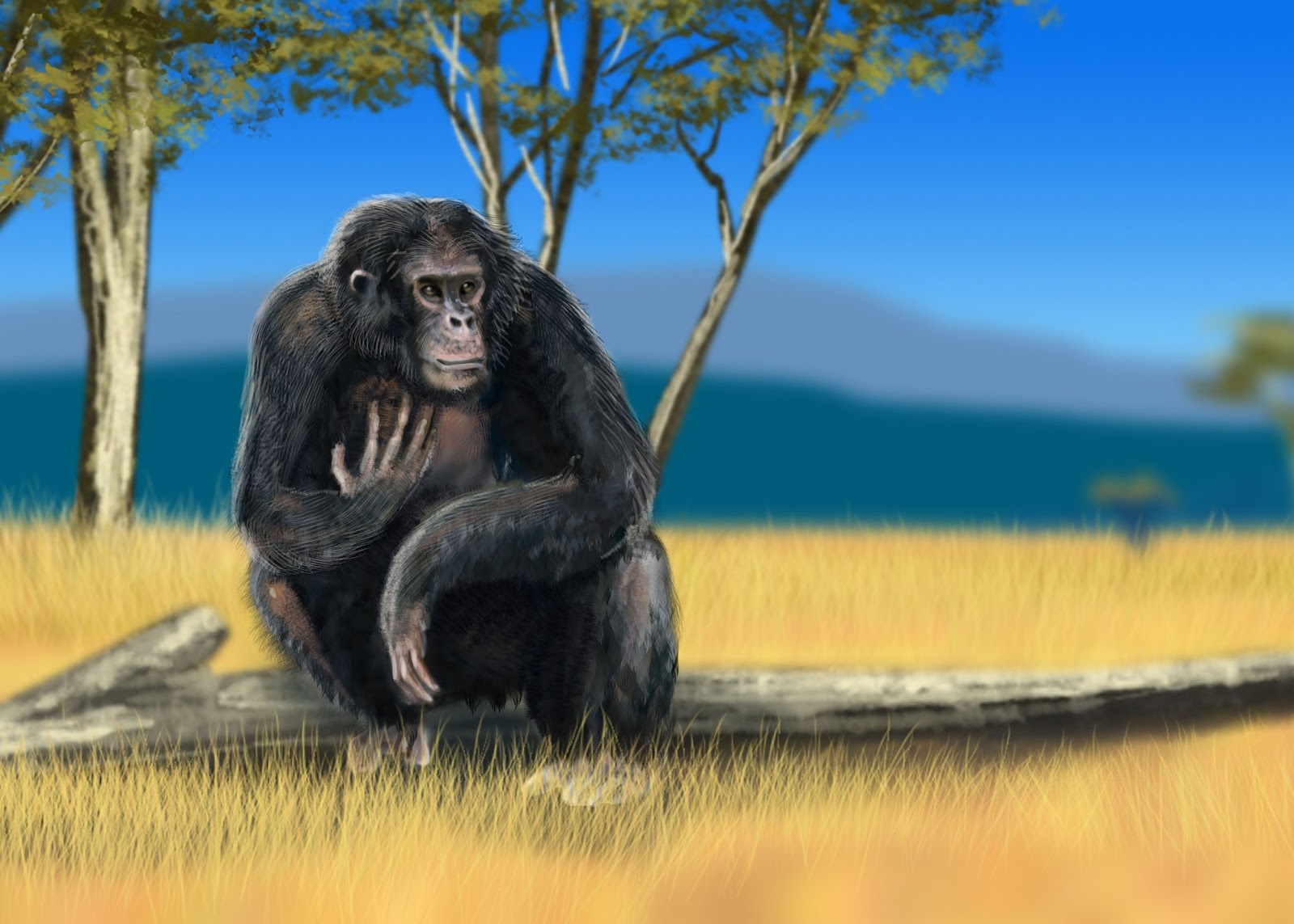
Today’s animal is the Chimpanzee, they are our closest living
relatives with their DNA matching more than 98% of humans!
Location: Africa
Diet: Omnivore
Lifespan: 45 years in the wild
Interesting fact: Chimpanzees are among the smartest animals on the planet,
considering how closely their DNA matches a humans it’s not that surprising! However,
Chimpanzees are one of the few animals who use tools, but they can also be
taught to use some basic sign language.
Here’s a clip showing a chimpanzee’s problem solving skills!
Another day rolls on towards the 3rd of May
release for Zoo park. We can’t wait for you to play the game! We’ll be sharing
some details very soon of an exciting feature that we hope you all will enjoy. But
for now, back to our Animal of the day. Today, it’s the Black Bear!
Location: America
Diet: Omnivore
Lifespan: 20 years in the wild
Interesting fact: They are not true hibernators, while they do not eat, drink,
or urinate during the winter months, they will awake if disturbed.
We found a video narrated by the legendary Sir David
Attenborough which shows a man who has been feeding bears, now; it’s not recommended
to feed black bears because they will return! And as seen in this video, they’ll
come back with friends!
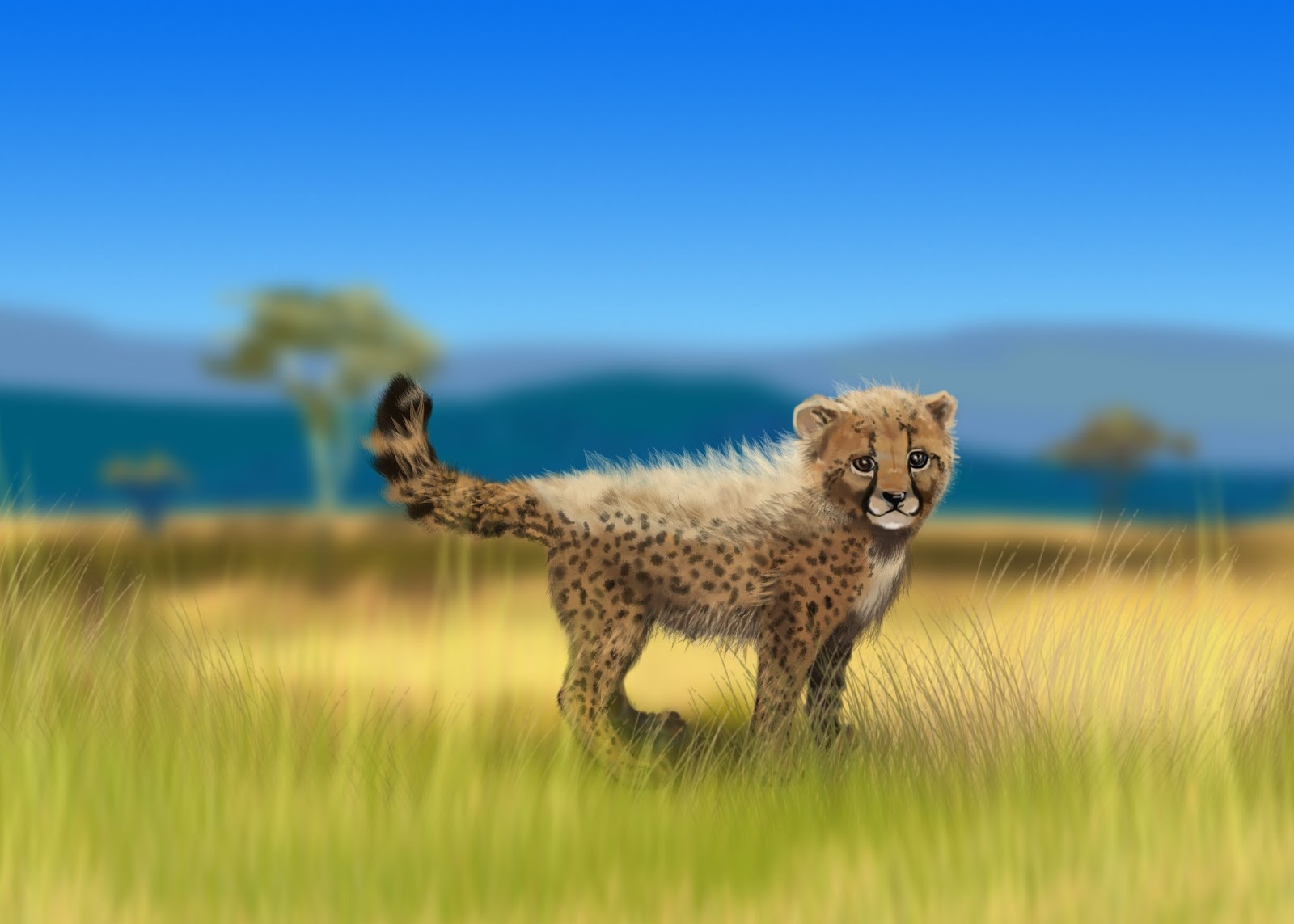
We
have ran out of all of our big cats that are included in the game, so what we
wanted to do now was share all artwork for the cubs, male and female cats in
one single blog post. Look below for all art work. We’ll be sharing some more
animals next week so stay tuned!
In part 2 of our cat feature today we have the Puma, also
known as a cougar and mountain lion. The puma is one of the most prolific big
cats in the world, present in several areas of the Americas.
Location: America
Diet: Carnivore
Lifespan: 8 – 13 years in the wild
Interesting fact: Despite their presence
across most of America, there are very few reports of attacks from the puma, in
fact there are as few as four attacks and one human fatality each year in all
of U.S and Canada.
At Tierpark zoo in Germany, they had a new-born puma cub. You
can watch the unveiling of the cub below
We’ve decided that this week is cat week! We’ll be sharing
all of the big cats that are included in our game this week so stay tuned for a
selection of catty goodness! Today and tomorrow as promised we have two a day;
our first is the Cheetah, the world’s fastest land mammal!
Location: Africa
Diet: Carnivore
Lifespan: 10 to 12 years in the wild
Interesting fact: When the cheetah hunts, it will sprint after its prey at
great speed to attempt to knock it down. While this uses a massive amount of
energy, these chases are over in less than a minute.
Here is some lovely footage here recording a cheetah hunting
its prey. We love the way they have slowed down the footage, really shows you
just how powerful and fast the cheetah can be!
The Black Panther is not necessarily a species in its own
right, more so a colour variant of jaguars or leopards which is caused by a
genetic mutation. We wanted to include as many types of animals and this
genetic variant interested us.
Therefore our information on the animal is going to be a
little bit different to the animal a day features from earlier so we’ll be
sharing some info regarding the leopard which the black panther is a subspecies
of.
Location: Africa
Diet: Carnivore
Lifespan: Around 21 years in captivity
Interesting fact: Lions and Hyenas will attempt to take away a leopard’s kill
if they can. The leopard will store their larger kills in trees where they are
able to feed on them in safety.
How could I not share the jungle book!? Check out below for a brief video, we’ll be
watching the Jungle Book later this week!
We’re focusing on the Black Bear. Bears have been consistent childhood allies,
from teddy bears to even becoming successful children’s programmes including Winnie the pooh. There are even several songs and stories that we tell children
about bears. While they can be dangerous animals, there is a certain charm to
them that makes them very interesting.
Location: America
Lifespan: 20 years in the wild
Diet: Omnivore
Interesting fact: During the winter months, the black bear spends the season
dormant in their dens feeding on body fat they have built up while eating
during the summer… However female black bears give birth to two or three blind
cubs that will stay in the den until spring arrives. They will stay with their mother for two years
One of the features of Zoo Park: Run your own animal
sanctuary is to create suitable habitats for animals in need and rehabilitate
them back into the wild. We’ve found this really great video of a local man who
has rescued a black bear cub. While perhaps not the best household animal (even
though the cub looks adorable), they are planning to rehabilitate them back
into the wild.
Today’s Animal a Day feature returns to one of the more well-known
species, the lion. Despite the global thought of the lion being king of the
jungle we've not seen any paperwork or royal jewellery to back these claims,
but what can be said about the Lion is that it is a stunning big cat that can
also be incredibly dangerous.
Location: Africa
Lifespan: 15 years in the wild, but can reach up to 30 years old while in zoos.
Protection status: Vulnerable
Diet: Carnivore
Interesting fact: Lion cubs won’t begin their
first hunt until they reach one year old.
We’ve stumbled across this popular video of a lioness interacting
with a baby at the Cheyenne Mountain Zoo.
Of course, intentions of the lioness were not clear! One of the people working at Cheyenne Mountain Zoo however did say that the lioness was showing traits of playfulness and curiosity though. Anyway, when
protecting a species like the lion you need to make sure that you have the right
habitat fence type for them. In Zoo Park, each animal prefers a certain type of
fence type.